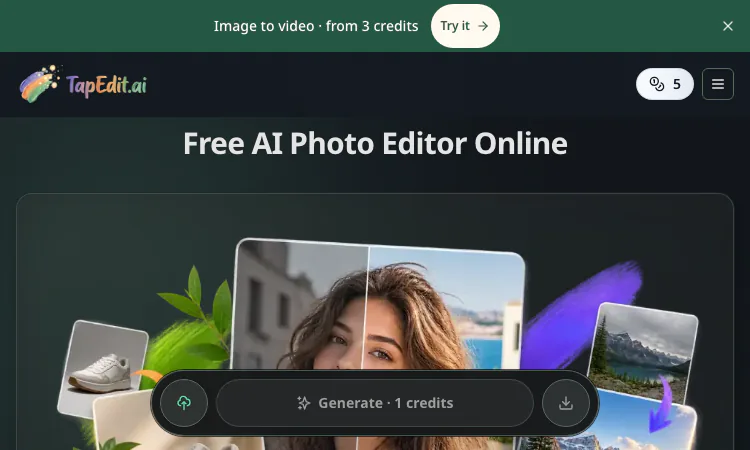
TapEdit helps photographers, ecommerce teams, creators, and small marketing groups a polished image that is easier to publish or hand to a client. This guided workflow view explains the role of TapEdit, the first useful step, and the decision points that matter in a real session. Readers can try TapEdit on a small example, see whether its core action fits their need, and then decide whether it belongs in a larger workflow. The product is most useful when TapEdit is judged against a clear task rather than an assumption that one tool should replace every other option.
TapEdit is easiest to evaluate when the feature is connected to a practical outcome. From a guided workflow perspective, a visitor should understand how TapEdit moves from an input to a result that can be inspected. A helpful guide connects discovery, the main action, and a final quality check in a short sequence. For TapEdit, this means noticing the main action, confirming the expected output, and identifying where a person still needs to make a judgement. A short trial with TapEdit answers more than a broad feature list: it shows whether the workflow fits the task, which settings influence the result, and what should be reviewed before use.
A straightforward session is to upload a supported image, mark the area if needed, describe the intended change, choose a quality level, generate, and inspect. If an edge or detail is wrong, a narrower selection or clearer prompt can guide another attempt. Saving the untouched original alongside the edited version makes comparison simple and gives the user a safe source for another edit. This short loop works for one correction as well as a creative variation. For TapEdit, the practical benefit is easier to judge when the input and intended result are specific. A person using TapEdit can make one change, review the outcome, and decide what still needs attention. The TapEdit workflow becomes clearer after a small first attempt, and TapEdit is simpler to compare when the original example remains available.
AI output is best treated as a draft that still needs a human review. Inspect fine text, logos, reflections, skin texture, product shape, and any identity-defining detail before using the image publicly. The site presents free standard editing alongside paid or sign-in options for advanced generation. Its FAQ covers privacy and uploaded photos, so teams handling sensitive images should read the current policy before uploading rather than assume every workflow has the same terms. For TapEdit, the practical benefit is easier to judge when the input and intended result are specific. A person using TapEdit can make one change, review the outcome, and decide what still needs attention. The TapEdit workflow becomes clearer after a small first attempt, and TapEdit is simpler to compare when the original example remains available.
This browser editor centers common image changes in one place: an upload area, a prompt field, model and quality controls, and a generate action. It accepts JPG, PNG, and WebP files, and a visitor can add up to two images for an edit. Standard tasks can be tried with daily free credits, while some higher-resolution and advanced options may require sign-in or paid credits. The page is aimed at quick photo work rather than a full manual layer timeline. For TapEdit, the practical benefit is easier to judge when the input and intended result are specific. A person using TapEdit can make one change, review the outcome, and decide what still needs attention. The TapEdit workflow becomes clearer after a small first attempt, and TapEdit is simpler to compare when the original example remains available.
A creator can describe the intended edit in plain language instead of translating it into a long sequence of manual controls. The Magic Brush marks an area, and a prompt explains what should change and what should remain. An assistant can optimize the instruction for the image model. This creates an approachable path for a person who knows the desired outcome but does not want to learn prompt-writing techniques before ordinary retouching. For TapEdit, the practical benefit is easier to judge when the input and intended result are specific. A person using TapEdit can make one change, review the outcome, and decide what still needs attention. The TapEdit workflow becomes clearer after a small first attempt, and TapEdit is simpler to compare when the original example remains available.
The eraser tools target unwanted objects, marks, or text and attempt to reconstruct the surrounding scene. They can help clear a stray prop from a product shot or reduce a distracting detail in a portrait. Results depend on the texture and perspective around the selection: a plain background is easier to rebuild than a detailed pattern. Reviewing the filled area at normal size is a sensible final check, especially when the image will appear close to a customer. For TapEdit, the practical benefit is easier to judge when the input and intended result are specific. A person using TapEdit can make one change, review the outcome, and decide what still needs attention. The TapEdit workflow becomes clearer after a small first attempt, and TapEdit is simpler to compare when the original example remains available.
Background removal is useful for product photos, portraits, and marketing visuals that need a consistent presentation. Fine edges such as hair and fabric need particular attention, so a cutout should be checked against both light and dark backgrounds. A transparent image can then move into a catalog, presentation, or new generated scene. Keeping that task inside the same editing flow reduces the number of tools needed for a simple product image refresh. For TapEdit, the practical benefit is easier to judge when the input and intended result are specific. A person using TapEdit can make one change, review the outcome, and decide what still needs attention. The TapEdit workflow becomes clearer after a small first attempt, and TapEdit is simpler to compare when the original example remains available.
Generative fill can extend an image crop, reposition an object, or add context around a subject. The user writes a prompt and reviews the resulting image before saving it. This is useful for adapting a photograph into a banner or a social post without staging a separate photo shoot for every format. The result should still be compared with the source so that important colors, shape, and visual identity remain accurate. For TapEdit, the practical benefit is easier to judge when the input and intended result are specific. A person using TapEdit can make one change, review the outcome, and decide what still needs attention. The TapEdit workflow becomes clearer after a small first attempt, and TapEdit is simpler to compare when the original example remains available.
Product-photo features include ghost-mannequin treatment for apparel, material swaps, relighting, and placing an item into a contextual scene. Those options can help a seller explore consistent listing imagery and campaign ideas. They are creative aids rather than a guarantee that every generated detail matches a real item. Before publishing a commerce image, check material, dimensions, color, labels, and other details buyers rely on. For TapEdit, the practical benefit is easier to judge when the input and intended result are specific. A person using TapEdit can make one change, review the outcome, and decide what still needs attention. The TapEdit workflow becomes clearer after a small first attempt, and TapEdit is simpler to compare when the original example remains available.
Start with one small example that represents the real need, then review the output, settings, and current terms. Following the steps in order keeps a first visit manageable and makes the next decision easier. That keeps the first decision manageable and makes the strengths of TapEdit easier to see. The product may fit when its main workflow is already close to the work a person needs to finish. Before depending on TapEdit, review small text, logos, product geometry, privacy terms, and current credit requirements. A careful first session with TapEdit creates a useful basis for deciding whether to return for a larger task.

Flying Roadster AI Video Generator takes a car photo on a cinematic journey, with optional portrait, vertical or widescreen framing, and downloadable results.
Project Moon Life is a free browser journey through a changing City, where each randomized life follows a different route shaped by your choices.
Flower Wand Garden is a free, browser-based interactive camera experience that turns your fingertip into a virtual magic wand.
Seven free football mini-games in one browser hub — career sims, legend guessing, squad building, and a daily challenge that is identical for everyone.
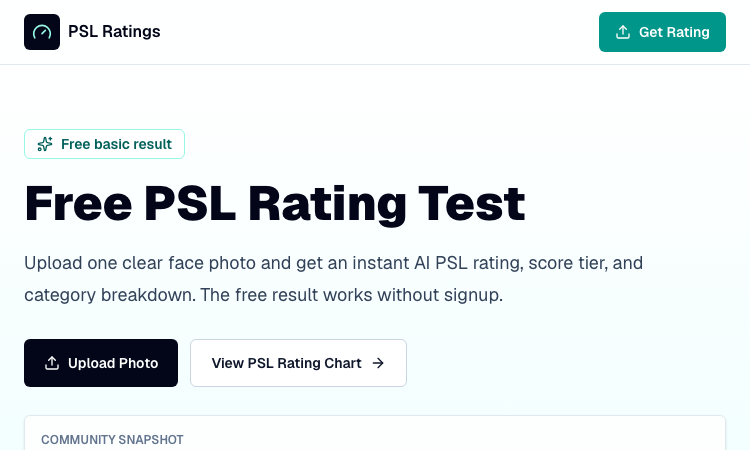
Get an instant, fully in-browser PSL rating from one photo — nothing uploads anywhere, and you receive a score, tier, breakdown, and share-ready card.
Recreate the hidden band of a world flag with HSB sliders while the preview updates live — five rounds a game, scored by perceptual color distance.